Biography
Hakeem Dost Muhammad Sabir Multani: A Biography from Several Viewpoints
21 September 2026 · 18 min read
A source-based biography of Dost Muhammad Sabir Multani, bringing together the main context and distinct recollections of his students and successors.
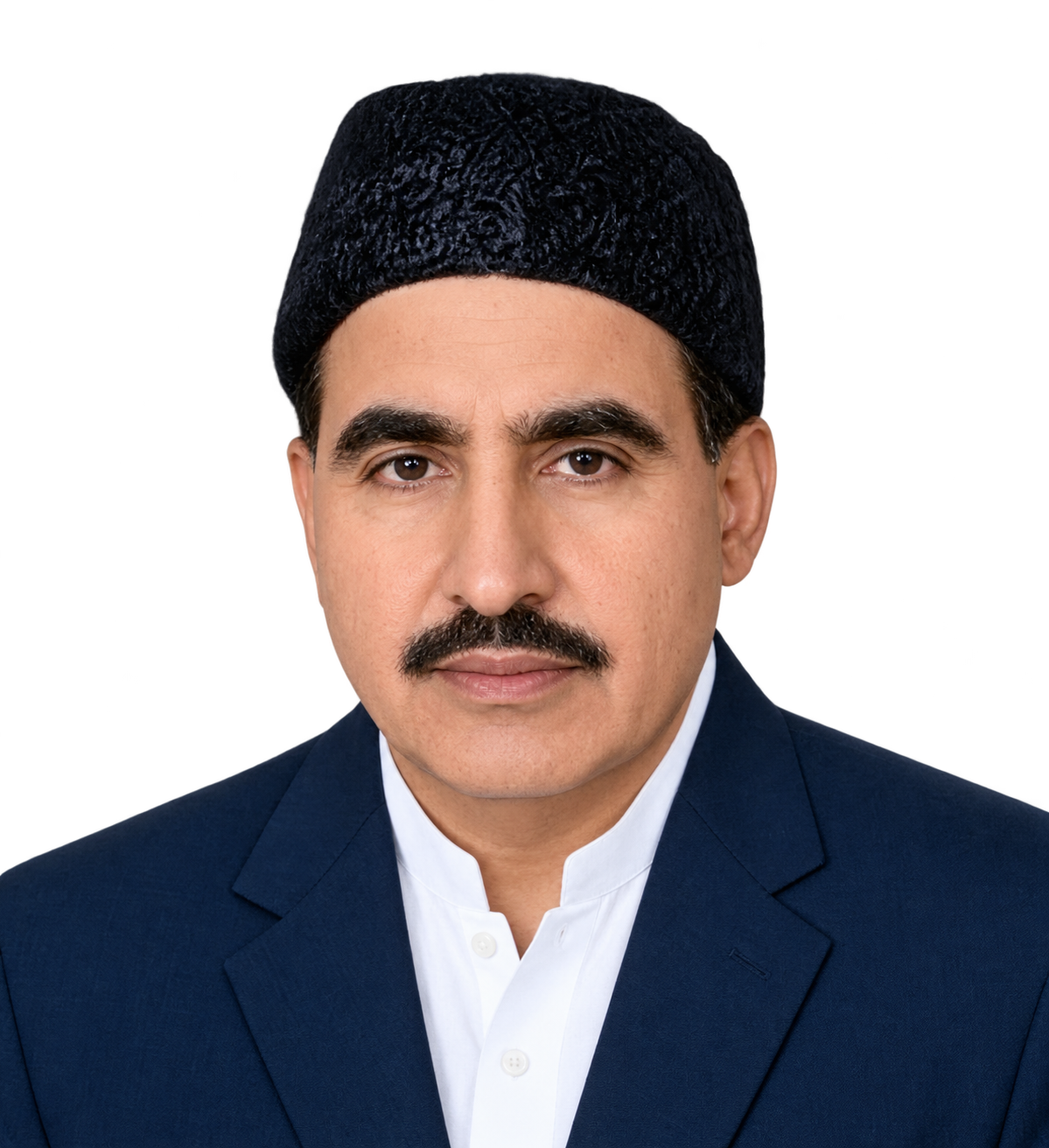
The main context identifies Dost Muhammad Sabir Multani as a scientist, researcher, thinker and physician of revolution. It records his original name as Dost Muhammad, his literary name as Sabir, his father as Hakim Noor Hussain, and his birth on 9 July 1906 in Multan Cantonment, the association from which he became known as Sabir Multani.
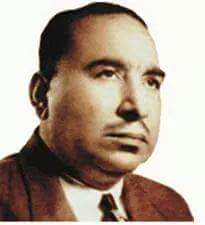
He received early education at the Cantonment School in Multan, passed the F.A. examination with distinction, and completed Urdu, Persian and Arabic examinations in Lahore. His maternal uncle, Hakim Ahmad Hassan, introduced him to medical learning, after which he went to Lahore and graduated with distinction from the Tibbiya College of Anjuman Himayat Islam.
The sources describe him as studying both traditional and modern medicine, reading widely and continuing clinical work alongside research. The main context says he wrote seventeen important medical books, while another source describes his wider contribution as twenty books and more than one hundred papers. These accounts are retained as distinct source statements rather than merged into a single unqualified number.
The main biography portrays him as serious, composed, hospitable and respectful. It describes long, patient consultations in which he would not move to the next patient until the current patient was satisfied, even if the consultation took half an hour.
His approach to difficult chronic cases emphasised food before medicine. The source says that he would often prescribe a dietary restriction for one or two weeks before medicine so that weakened or inactive organs could be supported. He taught students to diagnose, prescribe food, observe improvement and then consider medicine where necessary.
The biography also records his belief that physicians should serve people from a sense of public duty rather than treat medicine only as a business. It describes his religious commitment, simple home life, disciplined schedule of clinic work, writing and correspondence, and his interest in food, clothing and daily order.
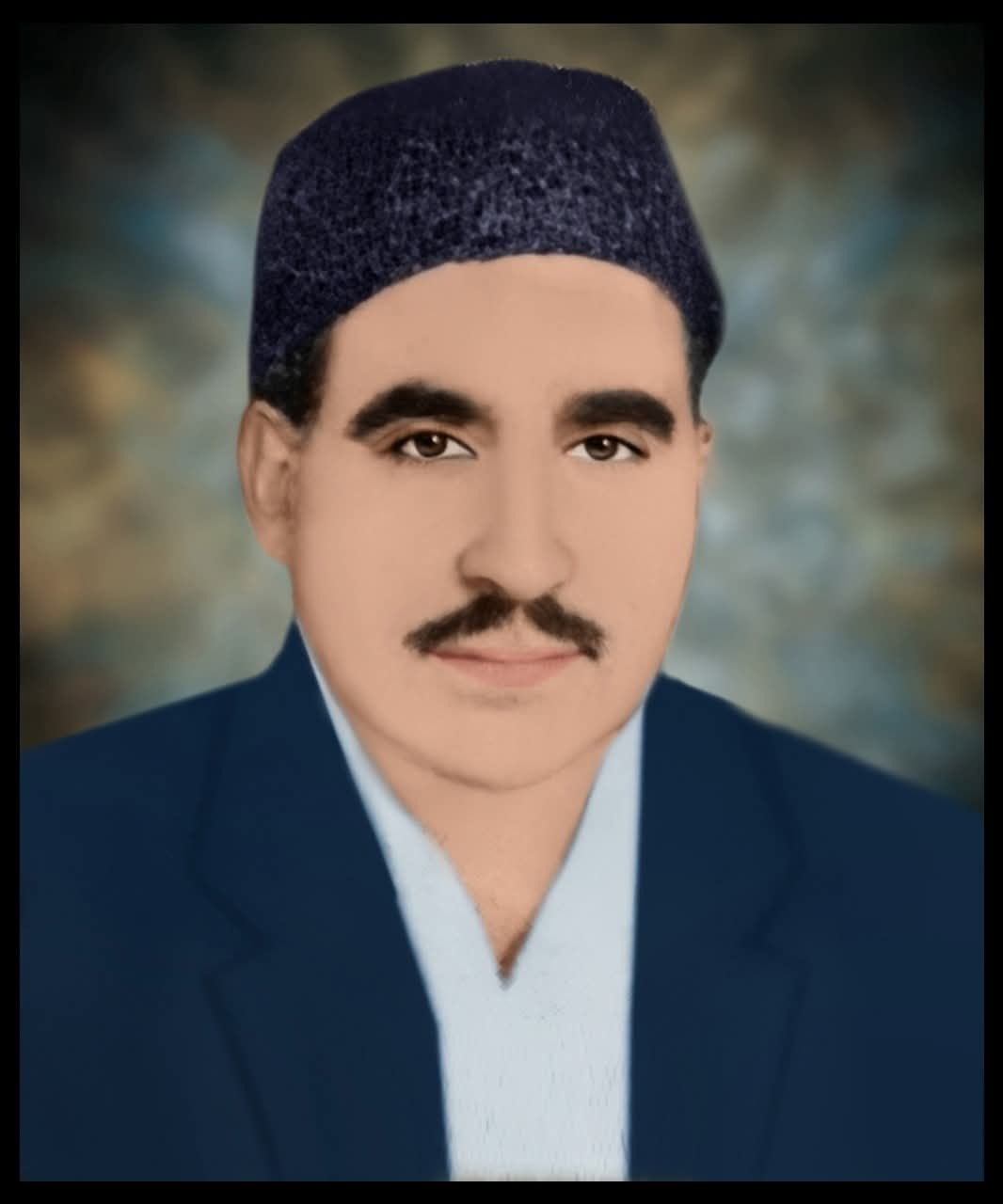
The main context describes his family life, his sons, and a second marriage connected with his wish for an educated companion who could record and understand his ideas. It also records a gradual decline in eyesight, severe weakness and his death after cardiac failure on 30 June, followed by prayers for his place in paradise.
The supporting viewpoints add different memories of the movement around his work. Hakeem Muhammad Yaseen Chawla describes studying with Sabir Multani for five years, receiving permission in 1972, and later helping with free medical camps and the teaching of treatment through food. He presents Sabir Multani as a researcher whose work inspired service to suffering people.
Hakeem Ilahi Bakhsh Abbasi's material focuses on the medical teaching environment in Multan and on his own later study of the Simple Organ Theory. It describes the Abbasi clinic as a place of treatment and teaching, records free medical camps, an academy and written works, and explains how Sabir Multani's research was learned, debated and carried forward by later practitioners.
Abbasi's account also preserves the chain of learning through teachers and students, including the work of Hakim Muhammad Sharif Dunyapuri and the training of practitioners in pulse, diet, herbs and the theory of individual organs. It describes free clinics and educational efforts as part of the wider mission rather than as separate from clinical practice.
The viewpoint associated with Hakeem Khair Din Dogar presents a different biography of a later practitioner and student of Sabir Multani's work. It describes medical research, cancer treatment claims, welfare projects, schools, mosques, agriculture, engineering, writing and public service. These details belong to Dogar's own life and are not presented here as facts about Sabir Multani himself.
Taken together, the sources present Sabir Multani as a physician and author whose work combined research, diet-based treatment, the Simple Organ Theory and an emphasis on service. They also show how his students and successors remembered, interpreted and extended that work through clinics, books, teaching and free medical camps.
The differences between the documents are part of their historical value. The main context provides the central identity and life account, while the supporting biographies preserve distinct memories of teachers, students, later practitioners and the continuing transmission of the medical tradition.