Food is the first medicine
You eat three times a day and take medicine for a few weeks. Whatever the food is doing, it is doing far more often. Diet is corrected before anything is dispensed.
About
خانوادۂ حکیم صابر ملتانی
A founder who wrote the theory, a son who proved it at the bedside, and a grandson who teaches it today.
Founder of SOT
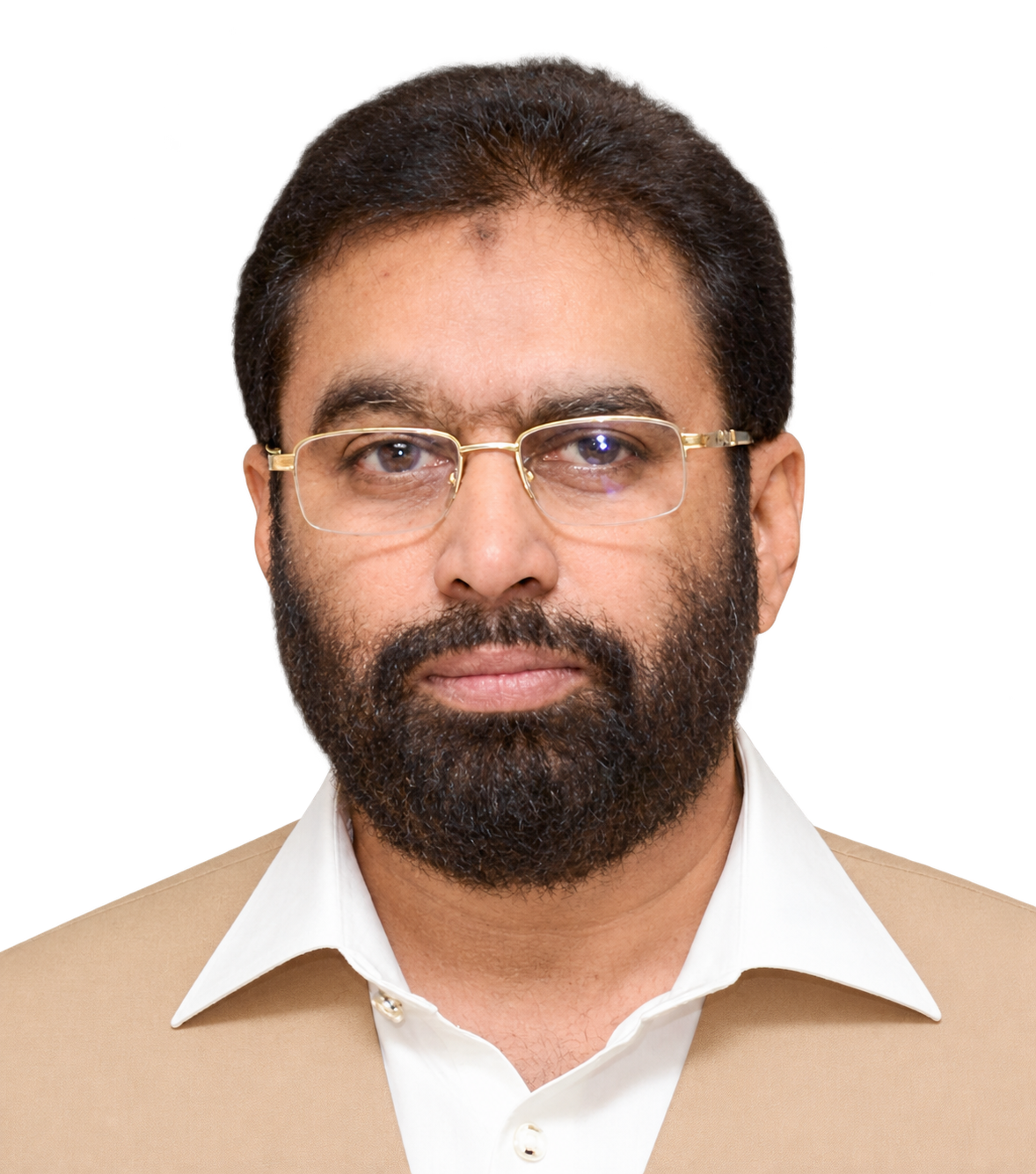
Founder of Simple Organ Theory (SOT)
His original name was Dost Muhammad, while Sabir was his literary pen name. His respected father was Hakim Noor Hussain Sahib.
He was born on 9 July 1906 in Multan Cantonment. It was because of this association with Multan that he became famous as Sabir Multani.
He received his early education at the Cantonment School, Multan Cantonment, which at that time provided education up to the middle level. In Multan itself, he passed his F.A. examination with distinction. He passed the examinations of Fazil in Urdu, Persian, and Arabic in Lahore.
In his family, his maternal uncle, Hakim Ahmad Hassan Sahib, had a profound passion for the science and art of medicine. He was considered one of the eminent and learned physicians of his time. In addition to being a distinguished Hakim, he had a great interest in medical research and investigation.
It was from his maternal uncle that Sabir Multani received his initial medical education. Since there was no medical institution in Multan at that time, he went to Lahore to quench his thirst for knowledge. There, he graduated from the Tibbia College of Anjuman Himayat-e-Islam as a highly accomplished and distinguished Hakim.
Since Western medicine was also taught to some extent at the Tibbia College, after completing his studies he mastered Western medicine through self-study at home. In addition to studying its famous books, he also studied its encyclopedic literature very carefully.
He studied traditional medicine, modern medicine, and all major systems of treatment with great attention, yet he remained unsatisfied. He continued practicing medicine while simultaneously pursuing research.
He authored seventeen books on medicine, each of which was unique in the field of medical literature. Every one of these books, according to his admirers, was worth its weight in gold and was written with confidence and intellectual challenge.
He was of medium height, had a well-proportioned physique, and possessed a golden complexion. During conversation, he spoke with great seriousness, dignity, independence, and courage. These qualities reflected, according to those who knew him, his exceptional intellectual abilities.
There was hardly ever a sign of anger on his face. Even when he smiled, it was usually only a very faint smile that occasionally appeared on his lips. In short, he was affectionate, sincere, hospitable, and respectful toward people of all ages and social positions. Such qualities generally reflect the influence of religion and spiritual discipline.
Interestingly, when examining patients, he would see them one at a time. He possessed a remarkable quality: whenever he examined a patient, he would not attend to another patient until the first patient was completely satisfied, even if it took half an hour.
He did not immediately prescribe medicines to patients suffering from old and complicated illnesses. Instead, he would often prescribe only one or two weeks of dietary restrictions. If the patient followed his instructions, his condition would sometimes transform remarkably within a few days.
Some patients, after recovering through this method, would bring gifts to him in gratitude. There was hardly a day when he did not receive some gift from a patient. His followers regarded this as evidence that God had blessed his hands with healing power.
According to his admirers, there was hardly a patient who did not benefit from treatment received at his hands.
It is also worth mentioning that he gave the same instruction to his students: after examining an old and complicated case, the patient should first be prescribed an appropriate dietary regimen and sent home. Once the patient began to feel better, medicine could then be prescribed, so that the weakened organs of the body could regain their activity and the disease could be permanently eliminated.
The reason, according to his theory, that many illnesses could be treated through diet alone was that every disease resulted, in one way or another, from excessive or deficient activity in the function of some organ.
He used to say that many physicians did not prescribe dietary restrictions because they feared that if the patient recovered, the patient would no longer return for medicine, resulting in a loss of income.
In response to this attitude, he would say:
“Every Hakim should practice medicine with a spirit of patriotism and service to humanity, not merely as a profession. Patients are not the providers of one's livelihood; sustenance comes only from God. Whoever serves humanity, God will broaden his means of livelihood.”
Just as he attained great excellence in his field, he was also deeply devoted to religion. In this sense, he was regarded as a living embodiment of the famous concept:
Knowledge is of two kinds: knowledge of the body and knowledge of religion.
He and his forefathers belonged to the Ahl al-Sunnah wa'l-Jama'ah tradition. He was a devoted admirer of Maulana Ataullah Shah Bukhari, may God have mercy upon him. He had a particularly close association with the Majlis-e-Ahrar and regularly contributed a monthly donation to the organization.
He was also observant of fasting and the five daily prayers.
His domestic life was extremely simple and disciplined. He would arrive at his clinic at 9:00 in the morning and, according to his schedule, remain there until 1:00 p.m.
After returning home, he would rest for a short while and then devote himself to medical research and writing.
At night, from 8:00 p.m. to 10:00 p.m., he would write replies to the letters he had received. From 6:00 a.m. to 8:00 a.m., he would again devote himself to writing.
Thus, he did not allow even a moment of his life to be wasted.
His diet was often rich and nourishing. He was very fond of vegetables, meat, and eggs. However, he was strict about eating only at the proper time and when he was genuinely hungry.
He would neither eat when he had only a slight appetite nor advise others to do so. He ate relatively little bread and a larger quantity of curry or other dishes.
He used to say that food containing curry generated considerable heat and energy in the body. According to him, this heat gave strength to the organs, helped eliminate waste, improved the complexion, and strengthened the body.
This, he believed, was why his body and face had a golden complexion, which he attributed to his particular diet. His hair remained completely black.
His clothing was equally simple. He usually wore a shirt or bush shirt with plain trousers. During winter, he would wear a simple coat. He wore a Jinnah cap on his head and either sandals or boots on his feet.
From his youth until the end of his life, this remained essentially his style of dress.
His first marriage took place within his own family. He had three sons from this marriage.
His eldest son was Mansoor Qaiser, who served as a Press Officer at the British Embassy.
His middle son was Muslim Nasir, who worked with his father at his clinic and later continued to run the same clinic.
His youngest son was Nayyir Irfan, who at the time was a B.A. student.
When Sabir Multani developed his Theory of Individual Organs (Nazariya-e-Mufrad A'za), he felt the need for an educated companion who could record his thoughts when necessary and assist in understanding and explaining his theory.
With this purpose in mind, he married an M.A.-educated woman, with whom he had two daughters.
Years of research, investigation, and intensive study had severely affected his eyesight. He subsequently consulted Dr. Muhammad Shafi regarding his eyes. After carefully examining him, the doctor diagnosed him with cataracts and stated that an operation was not possible.
This news deeply affected him, and he gradually became weaker.
He would often say:
“I have always fought darkness and blackness and illuminated the world with the light of knowledge, but now darkness and blackness have surrounded me.”
After this, his condition continued to deteriorate. His cardiac weakness became severe. Even a slight sound would cause him anxiety, and he became so fragile that he would hesitate to speak with anyone.
On the morning of 30 June, he woke his son Muslim Nasir and said that he needed to use the toilet and asked him to help him.
His obedient son supported him as he got up. With a little assistance, he stood and used the toilet. As soon as he was laid back on his bed, he complained of a feeling of suffocation and distress in his heart.
A few minutes later, he lost consciousness.
Shortly afterward, his heart stopped beating, and he departed this world forever, leaving behind his family and thousands of grieving students and followers.
Indeed, to Allah we belong, and indeed to Him shall we return.
May Allah Almighty grant the departed teacher a place in Jannat al-Firdaws. Ameen.
Written by: Hakim Muhammad Sharif (late), Dunyapur, Multan
Tomorrow, God willing, I will shed light on the biography of the late Hakim Muhammad Sharif of Dunyapur, may Allah have mercy upon him.
We should learn about the lives of our predecessors and discover who they were—the people whose hands we held as we learned to walk and whose legacy guided our steps.
Second generation
Disciple, Successor, Researcher, Teacher & Author
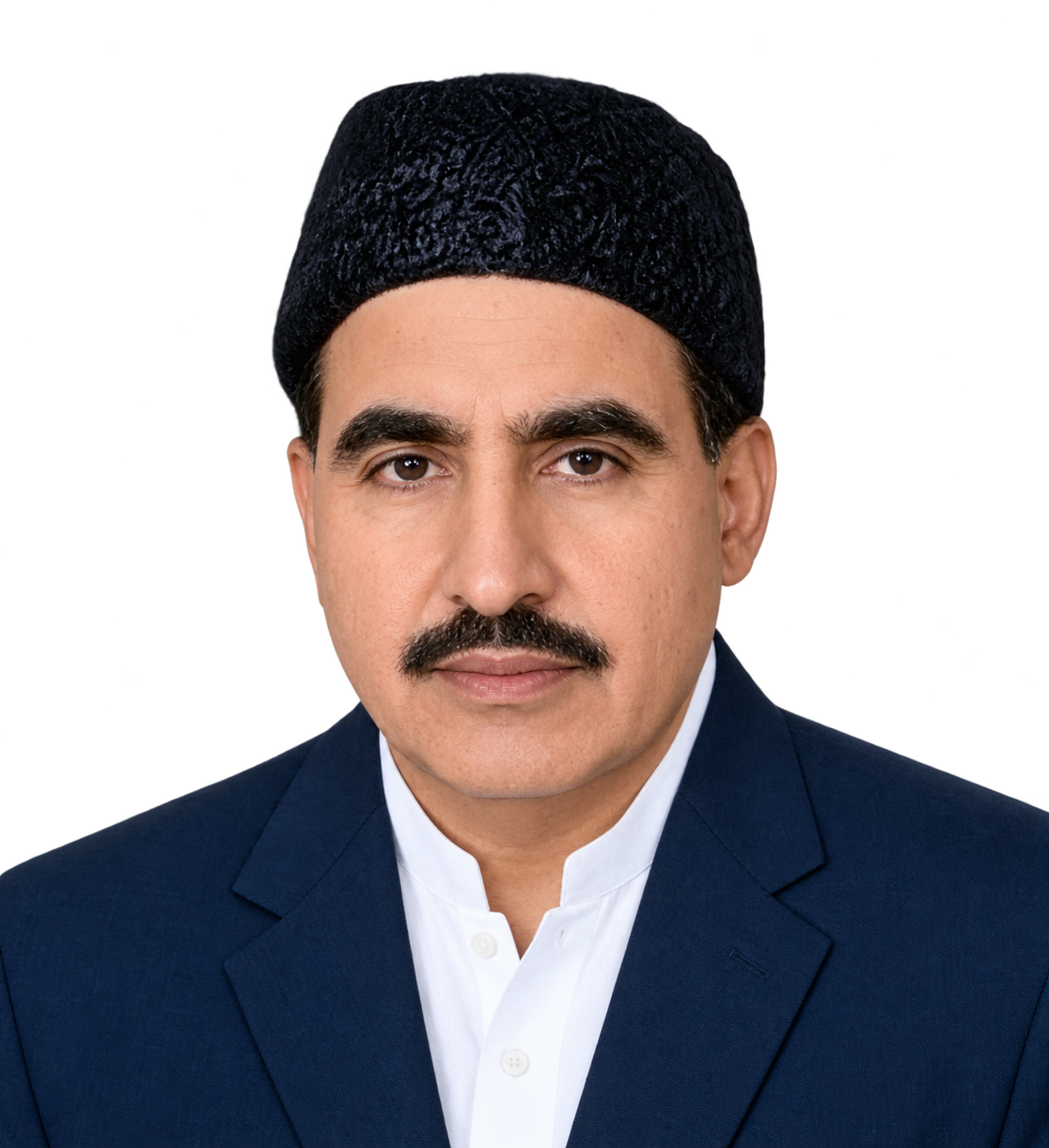
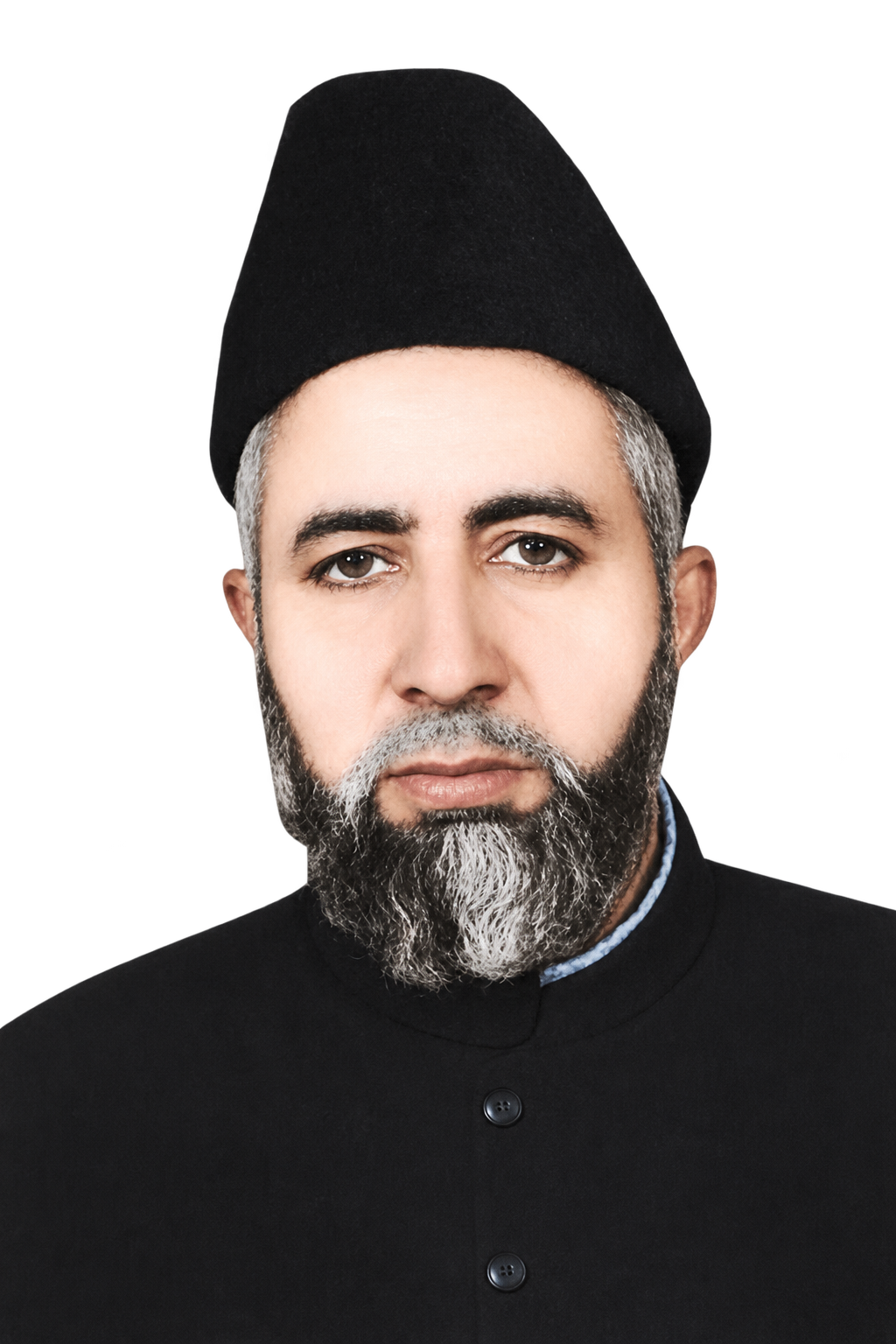
Hakim Muhammad Sharif Dunyapuri was among the earliest and most distinguished disciples of Hakim Dost Muhammad Sabir Multani, the founder of the Simple Organ Theory (SOT). Following the demise of his mentor, Hakim Sharif Dunyapuri assumed a leading role in preserving, promoting, and advancing the theory. Through his tireless efforts, he introduced the Simple Organ Theory to practitioners and scholars across Pakistan and internationally, establishing it as a systematic and practical approach to diagnosis and treatment.
An accomplished physician, researcher, teacher, and prolific author, he devoted his life to the development of SOT and the education of future generations of practitioners. He authored 16 books covering various aspects of medicine, including the principles of diagnosis, disease classification, pulse examination, diet therapy, herbal therapeutics, and the practical application of the Simple Organ Theory in clinical practice.
Third generation
Practitioner, Researcher, Educator & Advocate of Traditional and Complementary Medicine
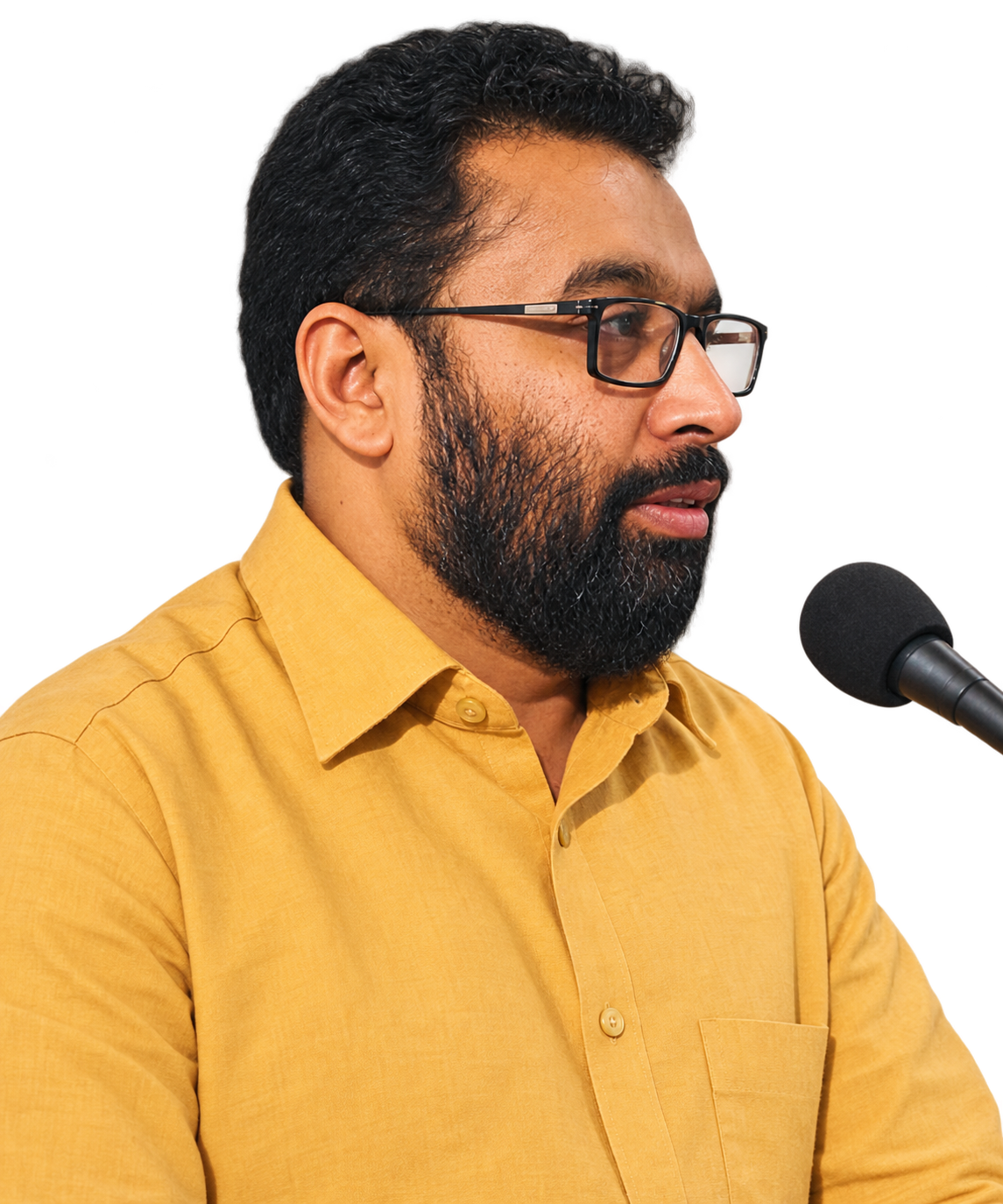
Hakim Muhammad Khalid Mehmood is a distinguished practitioner, researcher, educator, and advocate of traditional and complementary medicine. Born in 1966 in Dunyapur, Pakistan, he belongs to a renowned family of herbal physicians whose legacy has significantly contributed to the advancement of natural healthcare.
He completed his F.Sc. in 1984 before pursuing B.Pharmacy at Bahauddin Zakriya University, Multan. Inspired by his father, Hakim Muhammad Sharif Dunyapuri, one of the foremost exponents of the Simple Organ Theory (SOT), Hakim Khalid Mehmood developed a deep interest in traditional medicine from an early age. Under his father's close mentorship, he received practical clinical training, learned the principles of the Simple Organ Theory, and actively participated in patient care, herbal pharmacy, and clinical practice.
To strengthen his academic and professional expertise, he completed a four-year Diploma in Greek (Unani) Medicine in Pakistan. He further expanded his knowledge by earning a Diploma in Naturopathy from the College of Naturopathic Medicine (CNM), United Kingdom.
Since 1988, Hakim Khalid Mehmood has been actively practicing alternative and complementary medicine in Multan. He is the Chief Executive of Shifa Khana Giza Say Ilaj (The Center for Treatment with Diet) and the founder of Giza Herbals, where he combines traditional wisdom with modern scientific understanding to provide comprehensive, patient-centered healthcare.
Throughout his career, he has successfully managed a broad spectrum of health conditions, including digestive disorders, allergies, metabolic diseases, cardiovascular disorders, dermatological conditions, autoimmune diseases, hormonal imbalances, fatigue syndromes, infertility, and various health issues affecting women and children.
Hakim Khalid Mehmood follows a holistic philosophy of healthcare, believing that true healing begins by identifying and addressing the root causes of disease rather than merely controlling symptoms. His treatment approach integrates nutritional counseling, therapeutic diets, herbal medicine, lifestyle modification, and individualized patient care to restore the body's natural healing capacity. He is committed to treating every patient with compassion, respecting the physical, emotional, psychological, social, and spiritual dimensions of health.
Beyond clinical practice, Hakim Khalid Mehmood is an active researcher, author, and educator. He has devoted considerable effort to the development, documentation, and promotion of the Simple Organ Theory (Tibb Sabir) through research, publications, lectures, seminars, and professional training programs. His work aims to bridge traditional medical knowledge with contemporary scientific understanding while promoting evidence-informed complementary medicine.
Over the past three decades, he has participated in numerous national and international conferences, workshops, and educational programs, sharing his clinical experience and contributing to the advancement of traditional and complementary medicine. His continued mission is to promote safe, effective, research-based natural healthcare and improve the quality of life of patients through holistic, individualized treatment.
Philosophy
ہمارا اصولِ علاج
You eat three times a day and take medicine for a few weeks. Whatever the food is doing, it is doing far more often. Diet is corrected before anything is dispensed.
Brain, heart or liver. Symptoms scatter; the organ behind them does not. Diagnosis means finding it, not cataloguing complaints.
Single herbs are traceable. If a patient improves we know why, and if they react we know to what. Short prescriptions are a discipline, not a shortcut.
Every consultation ends with something written and explained in plain language. A plan that is not understood is a plan that will not be followed.