
Health Awareness
Traditional Home Remedies and Practical Instructions
21 September 2026 · 10 min read
The supplied home-remedy guide covers common complaints, traditional preparations, administration instructions and when to seek further care.
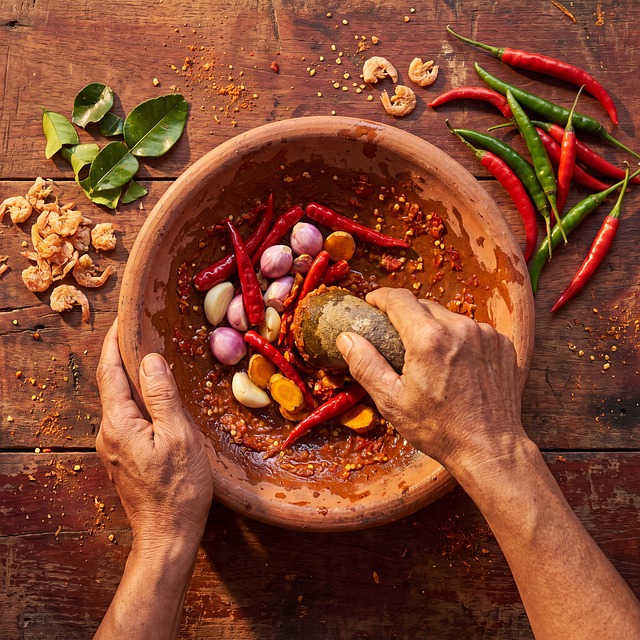
The source is a traditional home-remedy guide covering conjunctivitis, earache, pyorrhoea, toothache, tonsillitis, diarrhoea, indigestion, cough and cold, vomiting and nausea, constipation, intestinal worms and common fever.
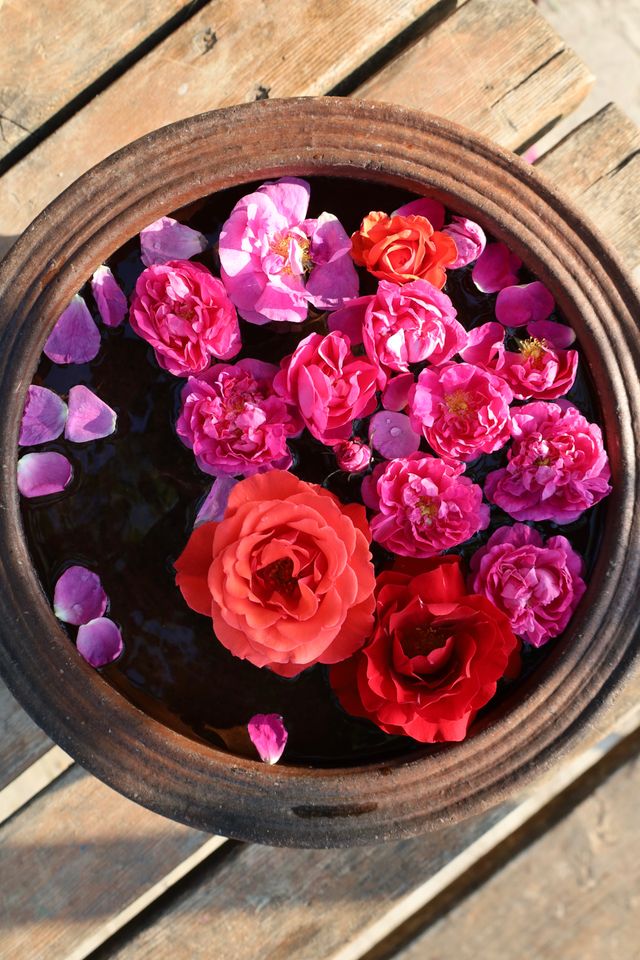
For conjunctivitis, described as inflammation of the covering membrane of the eye with redness, soreness, watering, photophobia and discharge, the source gives a rose-water preparation with alum and berberis extract. It also gives an alternative borax and turmeric decoction for fomenting the eyes.
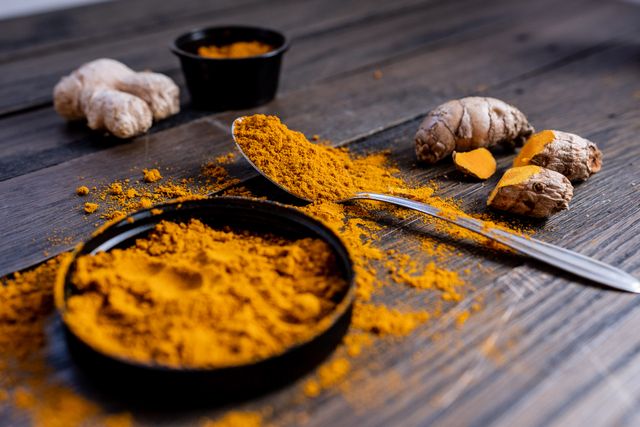
For earache, the source describes a preparation using fresh radish-leaf juice and sesame oil, heated until the water evaporates, with two lukewarm drops suggested for administration. For pyorrhoea, it gives burnt turmeric powder to rub gently on the gums with mustard oil.
For toothache, the guide gives a pomegranate-bark, ber-bark and clove gargle, a ginger-juice and salt application, and clove oil for the gums and aching tooth.
For tonsillitis, it gives borax with honey, reetha with honey, and a black-seed gargle. For diarrhoea, it gives dried bel fruit pulp and white cumin as a powder. For indigestion, it gives ajwain and black salt pills, a rock-salt, ginger and lemon preparation, and a mixture of mint, ajwain extract and camphor.
For cough and cold, the source gives ginger juice with honey or softened liquorice. For vomiting and nausea, it gives mixtures involving onion, mint, ginger and lemon juices, tender jamun shoots, or cardamom, fennel and mint. For constipation, it gives senna leaves, dry ginger, fennel and rock salt as a powder.
For intestinal worms, the guide gives root bark of pomegranate or boiled Palas seeds. For common fever, it gives a Khaksi decoction and a preparation of fresh tulsi leaves and black pepper formed into pills.
The supplied instructions define five grams and five millilitres as one teaspoon and 125 millilitres as half a glass of water. They advise simple, light and easily digested food during illness and avoiding fried, spicy and roasted food during vomiting, diarrhoea, flatulence and acidity.
The guide advises brushing the teeth before bed and after waking for mouth and gum complaints. For cough, cold, coryza and headache, it advises avoiding cold-water baths, curd, ice cream and cold drinks and taking warm water in sips. It also gives specific food and washing advice for conjunctivitis and vomiting.
The source states that anyone who does not improve within two or three days should consult the nearest clinic or hospital. It defines a decoction as ingredients boiled in water until the volume is reduced to one quarter, then filtered and taken like tea.