Nutrition
Nutrition, Food and the Practice of Healthy Living
21 September 2026 · 8 min read
An overview of nutrition, the role of food in health, and the source's three example food charts.
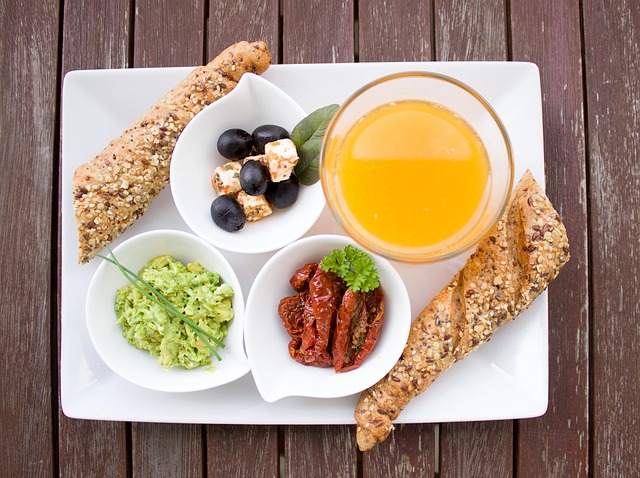
To live one must eat, but food also affects the ability to remain healthy, work, be happy and live well. Knowing what to eat and in what quantities is presented as a prerequisite for a healthy and happy life.
Nutrition is the science of food, nutrients and the substances within them, including their action, interaction and balance in relation to health and disease. It studies food at work in the body and the way proper nourishment is brought about.
Food may be solid or liquid and, when swallowed, can provide material for heat and energy, support growth, maintenance, repair or reproduction, and supply substances that regulate those processes. A satisfactory diet provides desired nutrients in required amounts and enough fuel for normal physical activity.
When the total nutrients supplied are insufficient, undernutrition develops. The source also describes poor diets combined with a sedentary lifestyle as risk factors for serious chronic diseases, including heart disease, stroke, hypertension, diabetes and some forms of cancer. It presents whole food and a natural diet as important parts of prevention and healing.
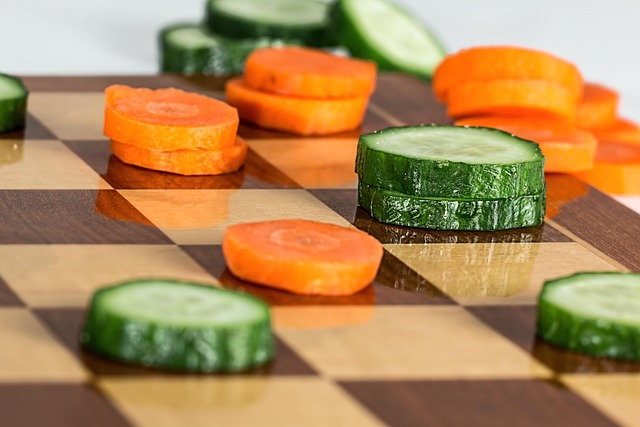
The source gives three example food groups. Group 1 includes milk, butter, carrot and almond puddings, pumpkin pudding, oats and herbal tea for breakfast; vegetables, rice, yellow lentils, chapatti and related foods for lunch and dinner; and fruits such as banana, melon, guava, watermelon, lychee, sugar cane and cucumber.
Group 2 includes egg pudding, pistachios, walnuts, dates, mango pulp in syrup and honey for breakfast. Its lunch and dinner examples include lamb, black gram, onion, ginger, mint, garlic, fenugreek, green lentils and chapatti. Its fruit list includes mango, papaya, apricot, grapes, mulberry and coconut.
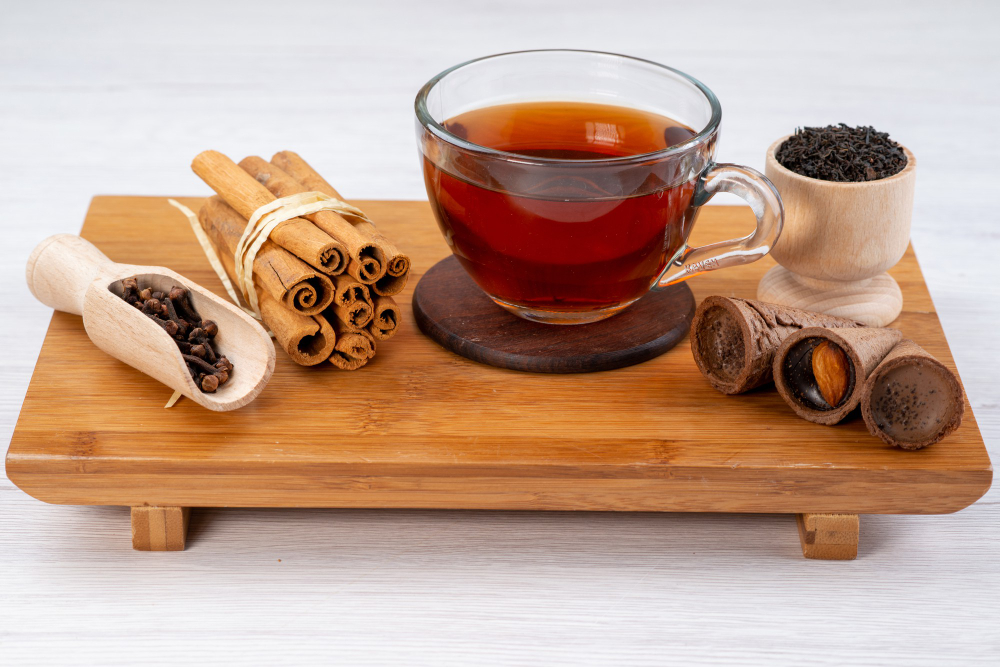
Group 3 includes peanuts, sultanas, fried egg, an egg omelette with gram flour, yoghurt, gooseberry in syrup and herbal tea. The source describes a tea made by boiling two cloves and a piece of cinnamon in one cup of water for three minutes, then adding three drops of lemon juice.
The Group 3 lunch and dinner list includes fish, chicken, beef, bitter gourd, peas, cabbage, tomato, aubergine, spinach, pickles, cauliflower, potatoes, gram flour and corn. Its fruits include apple, orange, jambul, peach, pomegranate, plum, pineapple and cherries.
The article closes with the principle that food should be treated as an essential part of health care. It attributes the statements 'Let food be thy medicine and medicine be thy food' to Hippocrates and the statement about nutrition and future medicine to Thomas Edison.